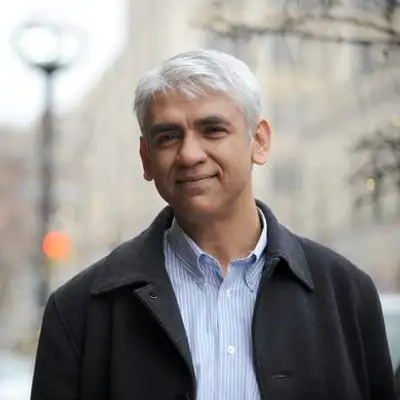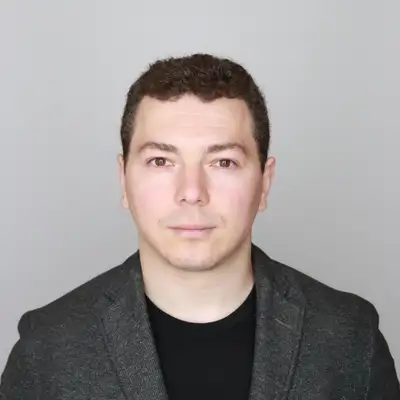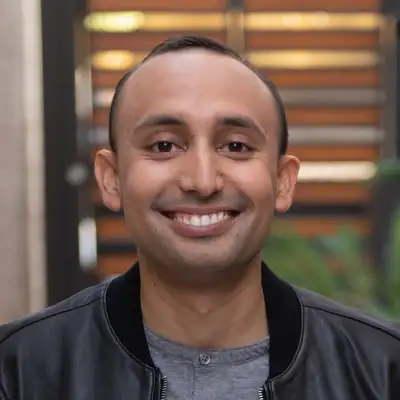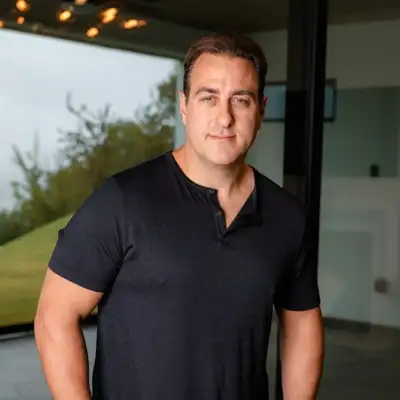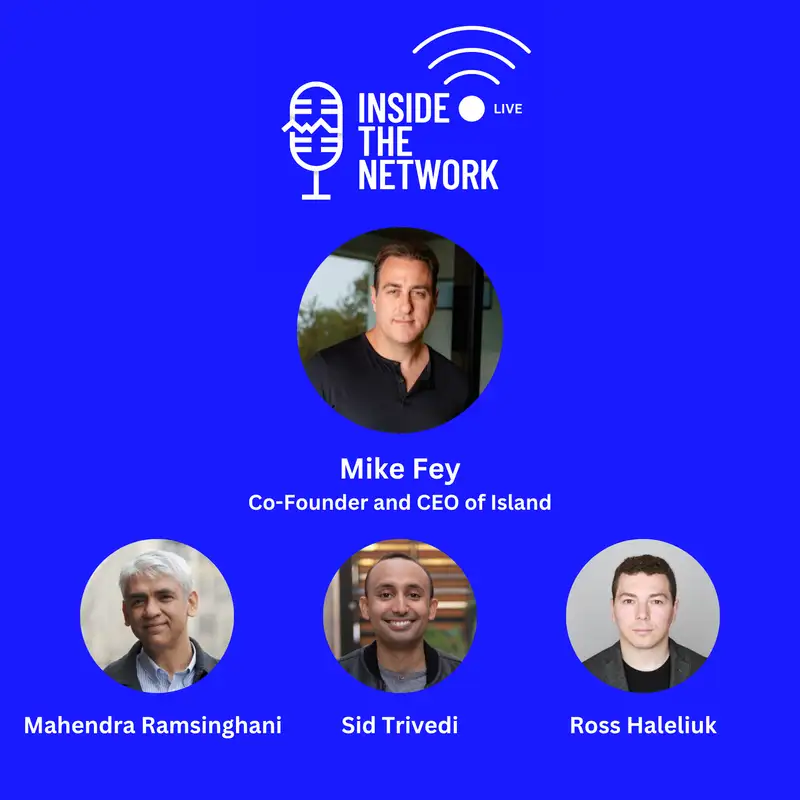
Mike Fey: From Symantec to Island and building a $5B category leader
Download MP3Welcome to Inside the Network. I'm Sid Trivedi.
Ross Haleliuk:I am Ross Haleliuk.
Mahendra Ramsinghani:And I am Mahendra Ramsinghani. We have spent decades building, investing, and researching cybersecurity companies.
Sid Trivedi:On this podcast, we invite you to join us Inside the Network, where we bring the best founders, operators, and investors building the future of cyber.
Ross Haleliuk:We will talk about the hard parts of the founder journey, launching companies, getting to product market fit, raising capital, and scaling to an exit.
Mahendra Ramsinghani:And, yes, we will also be talking about epic failures.
Sid Trivedi:But, Mahendra, we're here to make the founder journey easier.
Mahendra Ramsinghani:That is correct, Sid. But we cannot make it too much easier because startups are hard, And, of course, you already knew that.
Ross Haleliuk:Alright. You too. Enough, let's get started with this week's episode.
Mahendra Ramsinghani:Our guest today is Mike Fey, cofounder and CEO of iLand, a enterprise browser startup that is five years young, has raised $700,000,000, and is valued over $5,000,000,000. Five years, 5,000,000,000. A startup that is rewriting the rules of enterprise security. Mike has spent decades in leadership roles in cybersecurity. As CTO of Intel Security, president of both Blue Coat and Symantec, he has been through some of the largest acquisitions, combined $12,000,000,000 worth, and knows this landscape better than almost any other leader.
Mahendra Ramsinghani:So when he decided to start a company from a scratch, what was it like? What are some hard earned lessons in starting all over again? Let us find out.
Sid Trivedi:Welcome, Mike, to Inside the Network.
Mike Fey:Thanks for having me.
Sid Trivedi:We're gonna talk about a whole bunch of stuff today, but we wanna start with your early career and foundations. You started your journey with an ambition to be an aeronautical engineer, and we we read that you even worked as a developer at Lockheed Martin for three years. What were those early years like from being a developer to the career pivot to sales? Those are very different skill sets.
Mike Fey:They are. I actually wanted to be an astronaut even beyond aeronautical engineer and did not achieve either. So double failure. But the enjoyment I got I ended up in software and writing code and developing. I love writing code.
Mike Fey:I still do. You know, my daughter brought home some coding homework a couple months ago, and it was so fun to look at and engage on. I really enjoyed that part of the process, but I got accidental exposure to a customer in one of the projects I was working on, the c one thirty j Weatherbird, which might be the most American project ever. If you think about it, what that is is there's a hurricane coming. We wanna learn about it.
Mike Fey:You could send a drone. You could shoot a missile into it. No. We're gonna fly a cargo plane right into it. That's what I got to work on.
Mike Fey:So that was a lot of fun. But in so doing, we got a lot of feedback from the customer. And I got to understand that conversation with the customer and how we translated that technically became something I really enjoyed. And that was the first slippery slope out of development and engineering towards sales.
Sid Trivedi:And on that topic, before you got into security, you also worked at Mercury and Opsware. Those aren't security companies, and, you know, that was very much mainstream software. What did you learn from that?
Mike Fey:So those companies have one thing in common that I that I took from them and really guided me. They were undeniably valuable. You know, Mercury Interactive introduced the world to automated testing. You know, back then, it was all manual, and we walk into rooms with hundreds of engineers clicking every button to go over and expose to them a better way, you know, automation to do this, a better product, a better outcome. That really taught me the difference between cool software, nice to have software, and must have.
Mike Fey:And we were around for the dot com bomb. So what drove up the company was all this development. What kept the company thriving was ability to add value at the CFO level. Right? The CFO to look at his books and say, I need to cut cost.
Mike Fey:You're the answer, not the problem. And offshore was very similar as well. It's entirely an ROI based, you know, conversation. Those two kind of guided me moving forward on what products I thought we should put energy into, what products we should rally around, and which ones got the engineer excited in you, but maybe would not get the customer, you know, long term value delivered. Then it was a combination of how to present that ROI.
Mike Fey:You know? It it's it's a little bit of a process you learn, and both of them taught me how to do that. You don't run into the room screaming, I'm gonna save you money. I'm going to do this. You run into the room saying, we can do it better.
Mike Fey:This can be better. We can we can accomplish more. And by the way, there's a big ROI to this. Learning how to do that is something I rely on to this day, and and I think it was an amazing set of experiences between those two great companies.
Ross Haleliuk:Mike, let's talk about the next phase of your journey and indeed our favorite topic, security. You joined McAfee and stayed there for seven years, I believe, rising to EVP and then and CTO, a very interesting combination of business and technical expertise. How and why did you decide to shift gears into security? How did it happen? What were the motivators?
Ross Haleliuk:And looking back, like, if you were talking to your younger self, would you still make the same move?
Mike Fey:So I would love to say that when I went into cybersecurity, it was a calculated decision and this was gonna be a great place to grow a career. None of that was true. Some of the people I enjoyed working with the most went there. And they reached out to me and said, you know, got this company has had some trouble. We've got to turn it around.
Mike Fey:Will you come join us? And I went to work with them and I actually made a one year commitment. I'll come and help you get it right for a year. That's not really the space I want to be in. You know, when I joined McAfee, the Symantec team was out saying AV was dead, you know, and McAfee's numbers weren't good and you just saw it, you know, everybody was diversifying away from cybersecurity.
Mike Fey:So I really did think it was kind of a short stop in my career along the way. And then when I got into it, it's such an amazing environment to work. It is important. It's business critical, but it it has an, you know, an altruistic side to it as well. You know, we got to work on shutting down, you know, child porn rings and fraudsters and all these great things while we still did real hard engineering, which, you know, drove me as well.
Mike Fey:And then about two years into that, it became a boardroom level conversation. And now the funding really opened up and and it got really interesting. So it took about two years to realize this was where I should spend my career. And at the end of the day, it blew up around me and I got to experience that. There are other bright people that saw it coming.
Mike Fey:I didn't. Where I took it though is working with those customers, working with the solutions. I love the technical side, but I did get an appreciation that if we didn't get the sales motion right, if you didn't get the go to market right, that was death. While product can set you free, go to market enables that. And I wanted to do both.
Mike Fey:And McAfee gave me that opportunity to step up and be CTO and guide the product, but then they allowed me to grow yet further and really take control of the enterprise business. And I worked for some amazing leaders there that let me just keep growing and and driving my own my own agenda to some degree, but it was a real collaborative environment with just great people. So it was the best place to grow and learn.
Ross Haleliuk:When you look back at that period, Mike, what were some of the observations about the security markets that were true at the time but but are no longer true today and vice versa? Like, what changed?
Mike Fey:You know what's changed the most, I think, is back then, we would talk about threats and how to stop them. And that's that's kinda where the conversation ended. Right? You'd sit down with the CISO, the bright minds. Is this a threat we have to worry about?
Mike Fey:How do we stop it? Can we use your tech for it? What's evolved and rightfully so, now the conversations are much more about the operation of it. How am I really gonna do that? It's great you've got this nice little tool that will help me protect against that, but I have to run it at scale.
Mike Fey:We have to care and feed this thing. It's gonna be around for years. And so it's almost as if we got professional. When early on, it it was hacker defender, and those are the two roles. You're in one or the other.
Mike Fey:And then now there's literally much more of a CIO slant to it. This has to be part of our company. It has to run effectively. It has to fit in with the rest of our design principle. And now I believe that probably carries precedence over the attacker defender and as it should, you know, we've been building amazing cybersecurity stuff for almost twenty years now, yet the threats still exist.
Mike Fey:And most of the attacks happen in the seams. They happen in the mistakes. They happen in the dropped balls. So I do think customers now understand the best tech is the tech that can be used effectively, efficiently, easily. That is a separation.
Mike Fey:That was not the case when I started. I remember one of the products we had, so hard to configure. I mean, so hard to roll out, but it stopped a lot of stuff. It was not hard to sell that product. If you tried to sell that today, it would die at every proof of concept because a customer would put a dollar figure to care and feed to that that is inappropriate for their business.
Mike Fey:And that that's a massive change, which also is why you're seeing cybersecurity companies get a lot bigger because they can afford to build the real platforms that make things easier. It's not just about the latest threat and what you can do with it.
Mahendra Ramsinghani:Mike, let's talk about the blue core journey. You know, when you look at your seven years at McAfee, clearly, you're now in the seasoned game of security. And then you step in as president and chief operating officer of BlueCode, which Symantec acquired for almost $5,000,000,004,700,000,000. What were some things that you developed at BlueCode as a sort of the mastermind of this company that allowed Symantec to pay such a nice price?
Mike Fey:So when when the Macphie got bought by Intel and I stayed for a while as CTO of of security there, I did recognize that it wasn't the greatest fit. And it was and they had a changing of CEOs that had different directions and different views. So I went looking for the next opportunity. And what I saw was an area, you know, that gateway, that web filter, that software gateway. We saw McAfee back off its product.
Mike Fey:We saw the other competitors backing off their product, and Blue Coat was still investing. So it was clear to me it was a matter of time before they would get mass market share, and that was enticing. And they had a CEO in Greg Clark that is a a game you know, a difference maker. So Greg recruited me to come over there and I looked at the tech and I thought, you know what? You will own this market and we can own it quickly.
Mike Fey:Another thing that occurred where Intel and Apple and the crew had all gotten in a little bit of trouble for hiring practices. So it allowed me to take about a 150 people with me there. And in so doing, we immediately transformed the go to market motion. We switched from a channel centric to a direct selling effort. We were able to roll out new product quickly.
Mike Fey:And we took it from about a $800,000,000 valuation to that, you know, almost $5,000,000,000 in two and a half years. And it was done on go to market execution on top of a new product family. That was amazing. It was a fun journey. We didn't really want it to end, but it was hard to say no to the offer from Symantec.
Mike Fey:I know 5,000,000,000 now and the, you know, the shadow of Wiz and all these others seems light. But then I think it was like the third largest purchase for cyber ever. And it was the number one return from an investor perspective for like a decade. So it was a great outcome for everybody. It was a fun journey though.
Mike Fey:What we did was get go to market right as a new product that had a differentiation occurred. And there's few opportunities to do that. And that that that made BlueCup very special.
Mahendra Ramsinghani:And then, of course, you wearing the Symantec hat, president of Symantec. You built that business, Bridge Broadcom acquired the enterprise side of it for almost 10,000,000,000. So Intel, McAfee, 7 and a half billion, 5,000,000,000 Blueco, 10,000,000,000 in this kind of a third lap of yours. I mean, talk to us about is it largely go to market? Or what are some underlying principles that allow for such scale?
Mike Fey:You know, each company is different. But what I will say is if you are of substantial size and means, it really is about go to market because you can do m and a, you can acquire products, you can make moves that make you relevant if by chance your technology isn't in the right stage. When we got bought by Symantec, part of the requirement was that Greg and I would move over and run Symantec. And I did walk into a company with a lot of tech debt, and that was challenging. So we really had to focus on what was great, what was really adding value, which products weren't, and which is probably one of the toughest things to do ever as an engineer is to walk away from some products customers are on that they're finding value in, but you realize the future is bleak and and to not try to engineer your way out of that.
Mike Fey:At scale, you have to make those decisions. At startup scale, we're in love with the one we have and we have to deliver. But at true scale where you've got, in that case, think, Samantha, we're 30 products. There aren't 30 amazing products in any company. So you have to pick the right ones, you have to lean in on them, and then you have to enable those for success, and you end up playing favorites, which feels really weird.
Mike Fey:Semantic, we had to cut a billion of cost out in the first six months of arriving. Unfortunately, as a software company, a billion in cost means people. It's not like you're sitting around with massive data centers or hardware manufacturing or something like that. So we had to do this in the in the hindsight of laying off people, changing the shape of the company, all that good stuff. And we were rewarded.
Mike Fey:The stock more than doubled in that time period, and it was a it was a nice run for that. But I will tell you that was the most difficult set of jobs I've ever had because the enjoyment was stolen as an engineer. It was really about go to market. It was really about the hard decisions. So I think it was probably an amazing executive experience, but the core product builder in me really hated doing that.
Mike Fey:It just wasn't who I was. But but it was rewarding, taught me a lot, and I probably won't do it again.
Sid Trivedi:Let's go over to talk a little bit about the origins of Island and the decision to build a secure browser. And I'll tell you a funny story. As in preparation for this conversation, I had pinged a few folks and one of the craziest things I've known Dan Amigo, your cofounder since his days at FireGlass, but one of the craziest things I realized was I wasn't connected on LinkedIn with Dan. And the reason for that was because I've known Dan from a time when I didn't do a good job of connecting with people on LinkedIn after meeting them. So I sent him a message and I was like, oh my god.
Sid Trivedi:I realized, like, we haven't connected on LinkedIn. And he was like, I'm shocked that this is the case. I'm curious, like, Dan is very different to you Mhmm. In that he came from a startup background. He had been a successful founder.
Sid Trivedi:He'd sold a company to Symantec. You had come from this massive leadership background operating large companies at scale. Like, those are very different things. He had obviously been a technical founder throughout. He wasn't the, you know, the the type of person managing a team of a thousand people.
Sid Trivedi:He was the opposite. He was the type of person who'd write code. What got you excited to work together? And did you ever consider other paths? Did you think of doing what Greg Clark did and become an investor or, you know, think about just say sitting on a few boards and doing advisory Well,
Mike Fey:You're you're very insightful. I was thinking about going to work with Greg. I actually retired for a brief moment. I made it about six months. And I started to consider what was next.
Mike Fey:And Dan and I had been on multiple boards, but to take the story back to kind of speak how special Dan is, when I went to buy his company at Feyrglass, my first interaction with him, I came at a price he thought was way too low, and I thought it was fair. And we could have come to an agreement. So I told him, well, I'm gonna make it known I'm buying something, and if that impacts you guys, that's that's your challenge. So I went out and froze the market big time. Said, you know, we're the largest player.
Mike Fey:I'm going to buy something. If you're considering something, let me know. We're going to buy one of these eventually. So it froze the market on him, which kind of drove him back to the negotiation table. Rather than being bitter over that, Dan had respect for that.
Mike Fey:And so, you know, that's somebody that knows how to use their resources. And so when we finally joined forces, there was a huge mutual respect where I think other founders may have had, you know, anger over that, where he saw it as, no, this is this is the game we play and and he had appreciation. Then he got to see me running large orgs, got to see me running sales, got to see me running these areas, and I got to see him, you know, engaging at a technical level. So from there, it was somebody I wanted to work with. Then, as you know, Dan is constantly spinning up companies.
Mike Fey:He's always got bright ideas. So he's inviting me on a bunch of different boards to work with him there. And I think the whole time seasoning me up for someday to work together. Then he brought the idea for this secure browser as you state. And I didn't like the secure browser.
Mike Fey:I still don't. The secure browser isn't something you can sell. It is a flawed logic. The idea that you can swap out browsers just for cybersecurity improvement is not going to happen. And so originally, I said, you know, I'll give you some funding, but I don't want to be a part of it.
Mike Fey:And then I talked to my best friend who's early joined us early, Brian Kenyon. And we started talking about what it really could be and how it could be the future work and how we could rethink the browser for the knowledge worker, the impact we could have on the CIO spend, and the obvious benefit to cybersecurity. And that's when the term enterprise browser showed up. And that's what I got fired up about. So I called back Dan, you know, hat in hand and said, do you want to do this?
Mike Fey:You know, I I know I told you no, but I don't really want to build that company, I want to build this one. And Dan was all in. Love that. Dan could be a CEO in his own right, more than qualified investors would would give you money for days, But he felt that an American based company chasing this big market run by somebody that knew scale was a part of his missing quotient. So the two of us joined up that way.
Mike Fey:And I think it has as much to do about the humility of Dan and his brilliance as it does anything. He he tolerated me second guessing him for a little while and then was willing to take his idea and reshape it as he got some thoughtful feedback. It's been an amazing experience. He is the perfect cofounder for me. We separate the business very easily.
Mike Fey:We run independently, but in sync. And it really is a case of, you know, one plus one equals three. It's a dream partnership.
Sid Trivedi:I'm curious. How did you get comfortable with the aspect of the hustle of being in a start up? I mean, there there are a lot of differences between being at Symantec and McAfee when they were the two major players in cyber and being at a no name start up where you raised a couple million dollars, you had obviously raised a larger seed round than others, but still small relative.
Mike Fey:Yeah. You know, it was well, first off, I always wanted to do a startup, but I I had a requirement that it'd be interesting enough and compelling enough that I could say I'd spend a decade on it. You know, I've I've seen other bright startups that you look at and go, I know that's going to make money, but it's one thing. I don't think I can spend all day every day talking about the next VPN, for instance. Not that that's not a great market, not that people can't make money, but that just felt after working with all these big portfolios, could it do that?
Mike Fey:So I didn't think I'd get a chance because every idea I ran across was kind of siloed, kind of focused, and and I didn't see how to really get something meaty that I could mentally engage on. This was big enough that I saw, you know what, this could change everything. So I actually saw this as a big company from day one. I never thought of this as a little startup. So when we raised $30,000,000 in seed, we didn't hire, like, five individual coders.
Mike Fey:We hired architects and CTOs and and and people to build real stuff. Then the effort of running a startup did show up, though. There was a big difference. You know, when you're running large companies, budget management is huge. And if you've ever had to lay off people, I think it's one of the worst experiences any executive can have to do, where you're sending people home not because they failed, not because they didn't deliver, because you can't fund them.
Mike Fey:And so in the early days, I didn't open up the purse strings as aggressively as I probably should have because of that experience. My board, you know, would say, Mike, I think you run it. You could run heavier. You could push Why you raised all this money for this reason, do it. So that was the transition I had to get through.
Mike Fey:The one that wasn't hard was wearing many hats. I've always done that. Even at bigger companies, I could wear more hats. I would I always tried to never own anything and just show up to where the problem was, help, move to the next one, move to the next one. Start up feels very much like that.
Mike Fey:CEO of a start up, you have no official job. You just do everything you can. And that felt natural. That part worked. It also was my first opportunity to not spend my days fixing mistakes of the past.
Mike Fey:And not saying we don't make mistakes, we do, but we made them. Lot easier to fix your own than someone else's that you don't really understand how they got there. You don't get how you know, the the circumstances. So that was the the big difference, but it it is it was a lifelong dream that I didn't think would come to pass, and I'm I'm so thankful I got the chance.
Ross Haleliuk:Mike, Island was built around this idea that the browser could become this enterprise control plane for work. Obviously, it's a very different approach than just building another, you know, another endpoint security solution or another network security solution. In fact, I would probably draw the parallels of saying that it's similar to saying, hey. We are going to secure the cloud, so let's build the cloud first and then layer on security on top. Like, what was the moment where this idea first clicked for you?
Mike Fey:When I realized DLP, which I think we all can appreciate is one of the areas customers wish we all innovate more on. Right? I don't think a customer's been happy truly happy with their DLP solution in a decade. The and it's not because the DLP solutions are bad. What I came to their realization is the definition of solving the DLP problem is impossible.
Mike Fey:It's too complex. You can't operationalize it. It's never gonna work. And when I realized if you had control of the browser, you could shift that entire rule based DLP thinking into simple data barriers. The data stays here.
Mike Fey:The data stays there. And as you got control, you realize, wow, everything would shift. Then I looked at web filtering. And, you know, today, the big web filtering companies are getting 30% of the traffic. They can only see a small bit.
Mike Fey:And at Blue Coat, I knew how hard it was for us to get into all that traffic and tear it off. And here I could see everything and run everything easily. You started to see owning that architecture fundamentally changed how things work. And and I'll give you a piece of data. To deliver the functionality we delivered at Blue Coat around just something something as simple as web filtering, we can do that at Island with seven people.
Mike Fey:It's not hard because I'm not breaking encryption. I'm not peering networks. I'm not caching data. I'm not I'm not doing all this hard stuff. And that was when it clicked.
Mike Fey:When you start to think about the architecture giving you the advantage to do these other things better, then it felt right. And it felt like it was the way it's supposed to be. And I and I I do agree. It is a little bit like building the cloud to to secure it. But in this case, because of the Chromium open source project, the cloud was built.
Mike Fey:The browser was built. It was built well. It was built and adopted. It was an amazing project. So we stood on the shoulders of those giants.
Mike Fey:So in a lot of ways, we're we're a unique startup in that some of the most important code we have is twenty years old. And that changed kind of the dynamics as well. So it wasn't like we were truly building the browser for the first time. It was the browser was already built. We were upgrading it for the environment and then securing it.
Mike Fey:And that was a little less of a mountain to climb than it sounds.
Ross Haleliuk:Well, still, I would say that there are security products that the CISO can just adopt for their SOC. Right? And there is plenty of those. Then there is a category of products that the CISO or a CIO needs to get a buy in from another team to adopt. And then there is products that require everybody to change the way they do their work.
Ross Haleliuk:And I think in security today, if you talk to the majority of the founders, there is this idea of, like, reducing friction, reducing the friction for adoption. So you essentially vent for the highest friction there is. Telling everybody at the enterprise that, look. Starting tomorrow, you're gonna change the place where you do your work. So all of your bookmarks, all of the tabs, all of the shortcuts, everything you're used to is gonna change.
Ross Haleliuk:When you started talking about this idea, how did the CIOs and CISOs react? How did the people respond where you asked them to essentially change everything about the way they do their work?
Mike Fey:Yeah. You're dead right. If I'm advising a startup and they're of those three choices, they should stick to the easy one where one buyer gets to say yes. We have to get multiple parts of the business to agree every time, And that is the challenge we have. But that every day that drops as our reference base gets bigger and bigger and bigger.
Mike Fey:You know, now, you know, a bunch of the Fortune ten uses holistically, so that dropped. But in the early days, that was an insane conversation. We just had the the the gamesmanship that we felt that it was so dramatic and it could change so much that it had to be done. The other part that, you know, to be honest, which could only have happened at this late stage of my career, is I was okay with failure. If if it didn't work, it didn't work.
Mike Fey:If we couldn't do it, we couldn't do it. But I was infinitely confident this was a better way, but I wasn't infinitely confident we could sell it. And so I felt like that was a strong enough reason to try. And if we failed, we failed. We we took money from companies that understood that, like Sequoia and Cyberstarts that totally get moonshots are are tough.
Mike Fey:I remember Sequoia brought in an expert, and the expert said, you know, I think you guys are crazy, but you might just be crazy enough to do it. And, you know, it really was like that. But we did one thing that gave us confidence that maybe takes the risk down a little bit. We talked to almost a 100 CIOs and CISOs. 98 of them said do it.
Mike Fey:Two said not to. Two of those two are customers now, by the way. And we shifted the conversation instead of after we got validation from that point forward, we never asked anybody if we should do it. And and it's something in the due diligence process I advise companies on today. If you know what you need to build, if you've committed to that, stop asking people if you should.
Mike Fey:Start asking the hard question. So we would ask, why can't you use this? Why would you push back? Why would you say no? Where would the objection be?
Mike Fey:And literally dive in on those. And in that process, we learned early on, it was about end user experience. If the end user experience wasn't awesome, you were dead. And so we shifted our r and d to make sure that no matter what we did, a third of our effort was to making a better end user experience. And I think that's why Island exists today.
Mike Fey:I think that's why we outran the others that were in the space because they focused on just the cybersecurity side and they did not think about the adoption complexities, and that's where we started. So I'll give you an example. One of the first things we built in the entire product was multi cut and paste. You know, I I don't know when you all started playing around with code, I was in VI in the early days and I loved all my hot keys. I could literally code, you know, massive sub programs with just hot keys.
Mike Fey:And then I moved to a browser and it's control c, control v for the rest of my life. Come on. And it was stuff like that that we just thought, maybe there's a way to really start to embed and and get the end user excited. And then we stumbled upon Citrix. And we saw the experience that was being driven by VDI to deliver a session, an ex you know, a desktop.
Mike Fey:It wasn't about pushing fat apps out to the edge. It was about how to give a common experience at a call center, and that was where we could break in early on because we had a path that was a better experience, better security, better cost structure, and now I'm displacing Citrix, not Chrome. And that was easier. That gave us our first sets of wins that taught people it was real, and then we could go displace Chrome, and we could displace Edge, and we could displace all this stuff. But we found our path.
Mike Fey:And we're lucky we did. I think without that, we probably would still be, you know, this bold idea doing nothing, but we got enough traction and enough confidence. And it was it was a very fun process.
Mahendra Ramsinghani:So, Mike, speaking of Citrix, speaking of VDI, and speaking of, call it, the incumbent universe. You know, the one question that comes up in in situations like these where you create a new category is, you know, what was the old guard thinking, or were they thinking at all? Right? This is a classic innovator's dilemma, you know, that we all know and talk about. But did that play in your head, and and how did you sort of navigate your way through that phase of the journey?
Mike Fey:When I was running Blue Coat and the the cloud based web filtering, the z scalers of the world were coming up, we faced an innovator's dilemma in, you know, massive amounts. We had this giant hardware business where companies were buying $2,030,000,000 dollars worth of hardware. And then there was a cloud based one where it was 300 k, 400 k. And you really saw our ability to compete with that had nothing to do with engineering. To to be frank, the engineering of it was easy.
Mike Fey:But how as a publicly traded company, as a company with debt, as a company with EBITDA to produce, how do you make that churn? And that's where I got to see Innovator's Dilemma up close and personal and then stepping into Symantec and having to figure out where we could spend our money in the balloon squeeze of that made it even worse. When we founded this, I knew Innovator's Dilemma would be there for most of the companies we're at and we played into that. It's how we set up our pricing, it's how we set up our architecture. It's what we chose to go on.
Mike Fey:So I looked at those companies with points of presence and big network and backhaul infrastructure and said, you're you're stuck. I could go a different path. And the innovator's dilemma was the weapon we used to create space, and we use it still to this day. I think any founder out there, if you can't catch your competition in an innovator's dilemma, they will kill you because they have the resources, they have the ability. You aren't gonna be smarter than the other guy.
Mike Fey:That is not a sustainable thing. Fast follow is very real, but capacity to follow you, the ability for the the line of business to do it, that is very, very real, and that is something to this day we're still able to enjoy. And, you know, I I gotta figure out moving forward what happens when that gets played to us and how do I make sure I'm not the next victim of that. But for now, I'm really enjoying the fact that we are in this alternate path that does create Innovator's Dilemma for a big chunk of companies, probably about 50% of the cybersecurity landscape.
Mahendra Ramsinghani:You know, Mike, the the sort of market timing is one topic that, you know, also comes up. In one of our previous guest episodes, Jeetu Patel from Cisco, emphasizes market timing as the number one thing. Now how did things like COVID work from home, all of those things, did they help you? Did they hurt you? And talk to us about the timing challenges or the timing advantages that you had to experience in this journey.
Mike Fey:Yeah. Our timing dependency advantage, however you wanna think about it, actually revolved around Chromium, the open source project. If you would have tried to do this four years earlier, what you couldn't have said to everybody is, I'm going to render that website just like everybody else. And there'll still be a world where this runs on IE, this runs on Chrome, this runs on Safari. But when the world standardized on Chromium, they created the opportunity for that.
Mike Fey:And I'm proud to say six months later, we were founded. And that was the timing that you could go for. You couldn't go before that. And from that moment before, the opportunity was there, and it would you know, whoever grabbed it could could get that lead. Now we did that during COVID, and we did that during a bunch of bumpy roads for, you know, funding and startups and all that.
Mike Fey:And I think that helped us as well because we never got to lose fact that the view that if we didn't have ROI, we were out. It was never gonna be bought because it was cool. It had to deliver real ROI. So for me, I never got to sell during the good times. I only had to build the product and sell when budgets were constrained, people were being laid off, all that good stuff.
Mike Fey:That build a better company. If we would have been earlier, we might have got sales faster, but we might have hit a wall as people started to churn and and do that. You know, to this day, not a single customer that's installed has ever returned the product. And I think it's because it was hard to buy in the first place. You know, they had to run through it.
Mike Fey:They had to build a real business case. They had to get real reasons to do it. So we didn't pick up the the looky loos. We didn't pick up the people that were, yeah. Let's give it a try.
Mike Fey:You know, I got a couple extra bucks. Let's let's go there. We only got the people that were hard fought wins. And and you know what? When you fight hard, you get stronger.
Mike Fey:You get better. You get tougher. And doing that early in the journey, I think, made us stronger. But COVID helped shake the world up, but I will tell you AI's done just as much for us. You know, AI has told everybody, the browser you have won't be your browser in the future.
Mike Fey:The way you're doing it won't be the way you do it in the future. So earlier when they said, I've got to change what I'm doing to adopt Island. Now now the statement is, no, we're changing what I have to do. Does Island support that change? That's a much better sales position.
Mike Fey:So doing that now at scale, where we've got hundreds of sales reps instead of two, where we've got a formal product, market timing matters. It really does. I don't know if as a founder you can wait for it, but I do know you can ride it, and you can exploit it, and you can push it and push that advantage. So I don't think I'd tell a company, hey, the timing's not right. Go away.
Mike Fey:But I would say, you know, in certain times, you should be lean and building for the future. And other times, you should be monetizing the presence. And we got to play that game. And, you know, we stayed in stealth almost two years, which if you think about cybersecurity companies, you know, they take their first dollar and we're the new standard of whatever the heck they took their dollar for. And we really thought we had something unique and we stayed in self, but we also stayed longer because we needed more proof points.
Mike Fey:We needed more design partners. We needed more value. Before we told the world what we were doing and brilliant people like yourselves on podcast told us, you know, it was gonna fail. We wanted proof points so that people could look at that. And it was hilarious.
Mike Fey:I I as an aside, I do remember a couple podcasts saying, this company's insane, never gonna work. Look at all the money they've taken. This is terrible. And, you know, that now, obviously, those people are very nice to us and and see the world differently, but it was fun to watch.
Mahendra Ramsinghani:And, thankfully, it was not us, Mike. Just
Mike Fey:Not you at all. No.
Mike Fey:Not you at all. No. No. It's not not your at all.
Sid Trivedi:Let's talk a little bit about scaling Island into a unicorn. And before you get to scale, you obviously have to go and build out that initial sales team. You talked about scaling the the sales team from two to a couple 100 people. You've managed and run those couple 100, couple thousand people sales organizations. But in those early days, what were you looking for for the first few sellers?
Sid Trivedi:And from that, like, what advice do you have for founders, most of whom are technical founders like a Dan, for, you know, how should they go and evaluate the best sellers to find early on in a startup?
Mike Fey:Yeah. We got to cheat. You know, I'd had over 10,000 people in go to market work for me. Picking out four or five that were amazing, not the hardest thing to do. You know?
Mike Fey:And we actually, you know, probably our first, you know, almost half our company, even to this date, is from our, you know, core network. And if you say our core network plus one, I. Somebody in the company bringing the other person, probably 90% of the people here. But I will tell you what I look for in those early salespeople and and what I would want founders to keep in mind, technical founders blame salespeople way more often than they should. And what they need to do is hire somebody they trust enough that when the feedback comes back, they'll listen to it.
Mike Fey:And do not get an early person in your sales cycle you won't listen to. I got a couple individuals that I saw sell anything and everything to everybody. And as a result, when they came back to me and said, Mike, I can't sell it for this use case because of this, I knew they were right. That allowed Dan and the r and d team to react, deliver, and really be great opposed to us going, let me go talk to him. Let me see.
Mike Fey:You positioned it wrong. And that was the other thing I would say to founders. No sales reps positions it wrong. That's not a thing. You train them wrong, you built the wrong message, or you built the wrong product.
Mike Fey:Inherently, reps aren't trying to do anything wrong. So if they are, it's the enablement process is that, yes, you might hire somebody that you shouldn't have. That does happen. But nine times out of 10, it's in product marketing, it's in a product management where the real problem lies, and they blame sales. I would love to see the stats of startups that fire their CMO and fire their heads of sales, and never touch anybody in product.
Mike Fey:I bet you it is a thousand to one that occurs. And statistically, that is impossible that there are all these randomly bad people in marketing and sales, but nothing but excellence in r and d. One they understand, so they have tolerance for. One they don't, so there's no tolerance. The other thing that helped out a lot is, you know, I sell.
Mike Fey:I love selling. It is so fun to go talk to customers. I don't like closing. I love selling. I love objections.
Mike Fey:I love people coming with I don't want it. Once the customer wants to do the deal, I like getting out of the way because I I don't enjoy that process of negotiating the deal and walking away from the table and all that stuff that isn't me. You know? I'd give the product away if it always came to me. Just use it.
Mike Fey:But I think if you think about that founder process, it's lack of respect for those functions that leads them to the death spiral that many go on. You know, you'll see a series b company on their second or third head of sales. There's no way you'll find a way if you do that. There's just no way.
Ross Haleliuk:Talking about selling, Mike, you've invested in channel leadership and partner programs super early. What's your philosophy on channel versus direct, especially for earlier stage startups? When when it like, when would you say is each of the motions the right tool, and how should founders go about building relationships with channel early on? Obviously, you had those relationships, but if you didn't, where would you start?
Mike Fey:So first and foremost, I think any go to market investment, channels, advisers, appointment, you know, companies, whatever it is, you have to know what you're using it for. And you also have to appreciate there is no easy button. You know, this idea that the channel will sell my product for me and they'll bring me scale. Why? Why would they do that?
Mike Fey:What's in it for them? How does it work? So what we invested in early was we realized if we got to a c level, 80% of the time we get a deal. What an amazing stat. When you get that stat, now you start saying, I will spend real money to get that opportunity.
Mike Fey:And that was our first engagement with the channels. I don't want you to sell it. I don't need you to present it. I don't need you to, you know, support it. Just introduce me.
Mike Fey:And for it, I will pay you handsomely. I'll give you 30 points, 40 points. Get me the introduction because that's what matters. So I I think at the heart of the advice is any of these models can work. MSPs, channels, you know, ultra advisors, whatever it is.
Mike Fey:But you have to know why you're doing it, measure against it, and have realistic expectations. You know, if you're going to go to some channel partner like WWT or Optiv or whatever, and you're a startup, you you have to think twice. How a great year for a first year's company is $10,000,000. 20,000,000 if you're, you know, amazing. Right?
Mike Fey:How is twenty million and thirty percent of that margin gonna matter to those companies at all? So don't form partnerships where the other side doesn't get a fundamental win. And that was the other thing. So we did do partnerships early on, but we did it tactically at the right level where we could invest in a couple of people. And we could get money to those people so they got their win, they had their outcome.
Mike Fey:We didn't try to go within some national big approach until we earned it, till we showed them they can make money, they can build a real business, this could be beneficial to them. And I still think that's the key of building in these partnerships. If as the CEO, you can't say why it is awesome for the other guy, it's not gonna happen. You know, it's very rare the other guy's going to do something in your for your benefit and not get a win. And as a startup, the win's probably lopsided.
Mike Fey:You get a logo, they earn a lot. You gotta be okay with that. And and we were. And we use that to all our partnerships today. What are we gonna get out of this?
Mike Fey:What's real? I actually had a partnership the other day. I stopped because I couldn't understand how the other side will win. And I called up their CEO and said, we need to relook at this because I don't think you'll live up to this because there's no point. How do I make this a win for you?
Mike Fey:And he was blown away that I was trying to change the economics, but what's the point of having something on paper that's not gonna execute? You have to invest in these things at a level where it's a win.
Mahendra Ramsinghani:Mike Island has raised almost $700,000,000. It's valued almost 5,000,000,000, you know, with a b, I may emphasize. You talked about how Sequoia's first 25,000,000 came with this. We don't believe you can do this, but you might be crazy enough to do this. So help our audience.
Mahendra Ramsinghani:We're mostly first time founders. Help our audience to understand the challenges in raising capital, the various steps. You know, you raised 700,000,000. So inspire them, educate them on this art and science of raising capital.
Mike Fey:Yeah. Well, a couple of things I've I've learned along the way, and and now I've I've helped out other startups do this. So I got some strong opinions here. First and foremost, first time founders, please stop playing all the games. This whole I wanna act like I'm not interested, I'm not raising.
Mike Fey:If you're a seed company or series a, you have to raise again. The entire world knows there's a b round coming. There's a c round coming. There's a d round coming. Like, don't be embarrassed by that, but you'd be shocked at how many wanna act like they're not doing Oh, yeah.
Mike Fey:No. We're not raising right now. You're raising the minute somebody will give you good money. Like, you are. If you're a series a, you are raising.
Mike Fey:You always are. So I had that mentality first. I also had the mentality that the raising function could be a weapon. If I let all the major players know what I was doing, I let them know what we were doing that was great, when the second guys following me tried to raise money, they would all have to do it in my shadow. They would all have to say, why am I as good as island?
Mike Fey:Why don't I have this? Why don't I have that? So I got the chance to pollute the funding rounds of anybody that followed me, and that worked really well. So there was that bit that that I would advise founders. The other part is you have to have a real plan.
Mike Fey:You have to actually be able to say how you win, how it gets big, where you're going to go. Don't be embarrassed about talking about how you can be the next Microsoft. There's nobody that's done anything amazing and aimed low. And so aiming high and sharing that with investors on how you're gonna do it was helpful. The other part that's very dangerous, but I believed in, is we let those investors know our numbers and our goals right out of the gate every quarter.
Mike Fey:I didn't get to play the game where I, you know, acted like I had a good quarter when I did it. It was all known. So they got to get trust and these guys are operating. They're hitting what they're doing. They're delivering on that.
Mike Fey:The other part that we would talk about is, you know, what's in the way of your investment? You know, why wouldn't you invest? And you'd hear the concerns. I'm worried about this. Great.
Mike Fey:I think a lot of founders are afraid to hear that. I looked at it differently. Take the three of you. You've all been at this a while. If you see something in my company that concerns you, I'm best to understand that, not hide from it.
Mike Fey:And I'm shocked how many times I talk to founders like, yeah, they passed, but why'd they pass? And they've got some general statement. It's because they don't ask why they passed until they're passed. Till the cust till the investor says we're done, then they ask them the question and they and people forget. The investor that says no to you is always worried that they made their own decision.
Mike Fey:So they say no to you in the nicest humanly way possible. Right? I think you're a little light on scale. Get back to us when you're at scale. I'm a little worried.
Mike Fey:We've got a competitive product or whatever the easy answer is. But if you ask them early on during their due diligence, what are you worried about? What would you like to see? You'll get the real answer. That's the one you want to know.
Mike Fey:What they tell you after they don't fund you, that's a waste of breath. That's the one. Go for that, and then don't get angry. Don't turn to your cofounder and say they're stupid. They don't get it.
Mike Fey:You have to turn to your cofounder and say, we might run into this everywhere. How are we going to mitigate this? Whether it's right, wrong, or indifferent, this could show up again. And I'll give you a great example for us. We had an investor say, you know, Mike, I see how the top of house would want this.
Mike Fey:Highly regulated companies would want this. I worry if you have a big enough TAM to go everywhere. So what did I do? I immediately started selling down market. I went and showed companies below 2,000 users would drop 50 k a pop for our solution and blew up that concept that we were somehow tied to highly regulated big industries.
Mike Fey:But I had to hear that. I had to listen to it. I had internalized it. I couldn't just say they were wrong. Not only did I have to not say they were wrong, I had to say I get your concern.
Mike Fey:Let me go prove otherwise. And it it wasn't to get that investor back. That one had sailed. It was to make sure that was not a concern of the 300 other investors I might talk to down the road. It is a very much a strategy, but when founders hear strategy, they think you're playing poker.
Mike Fey:It's not poker. It's not full of bluffs. It's not gamesmanship. You know what the funds want. You know the hurdle rates they have, the returns they they wanna get.
Mike Fey:You have to tell the story that says they're gonna get what they're after and that's the strategy is how you do that.
Sid Trivedi:I think your points around humility and just trying to listen and take that feedback is is so important for every founder that's listening in. As we get towards the final portion of this conversation, we wanted to chat a little bit about leadership principles and also the future of work and where you see things. You already mentioned AI, we'll get to it, I promise. Let's start with leadership principles and for the listeners who are listening in, many of them may know this, some may not. You've worked with some pretty amazing people over your career.
Sid Trivedi:Some of them have ended up being founders like George Kurtz and Dmitry Alparovich who founded CrowdStrike. Some of them have ended up running their own companies. Joe Levy, who was at Blue Coat with you, is now CEO at Sophos. We already mentioned Greg Clark, who's an investor but was CEO of Symantec. There's a whole bunch of Dave DeWalt, Chris.
Sid Trivedi:We could go into a whole bunch of Chris Young. We could keep going on and on with folks you know. These are people who you worked alongside. Some of them manage you. Some of them you manage.
Sid Trivedi:Some of them you are a peer and partner to. What did you learn from broadly kind of being in these roles with these amazing people? Were there one or two leadership principles that you've taken out from your time at Symantec and McAfee and Blue Coat? And are there one or two things you've learned being a startup founder now and startup CEO that's a new leadership principle that maybe wasn't there in your Rolodex?
Mike Fey:Yeah. I think what I learned early on was leadership based in love and appreciation of your people is lasting. Leadership built on screaming, yelling, threatening is not. And a startup sometimes can get away with the latter because it you can run a year that way. You can run eighteen months that way.
Mike Fey:You can as long as things are going well, you can survive that way. But if you hit a bump in the road, everything falls apart. And so that was the first thing. And that was, you know, taught to me by, you know, Joe Sexton, who's who's one of the premier sales leaders ever. He was one of the few sales leaders that didn't start with where's my money.
Mike Fey:He started with how can I help? And that taught a lot to me, seeing how he put his arms around those that had trouble rather than beating them up. Not that we didn't weed our garden and let people go like everybody else, but when we did, we asked ourselves how did we fail. That person should have succeeded. We hired him to succeed.
Mike Fey:We failed, not they failed. I think that was part of it. In that, seeing us at our best as a leadership community throughout my journey, and us at our worst, we were at our best when we were infinitely deliberate. When you build a following, people that want to work with you, and you are clear about what you're trying to achieve, and you're clear about how you wish to achieve it, they will make it so. They love you like you love them.
Mike Fey:If you aren't clear, they don't know how to do it for you. They don't know how to make it work, so they they try their best, but you end up, you know, a scattershot, And now the size you have, which is your different may difference maker has been dissolved by a lack of being deliberate. So when we founded Island, that was the number one principle we had. We would be deliberate about everything we would do. And sometimes it takes a little bit longer to be deliberate, to be really, really clear, but it always speeds you up.
Mike Fey:When your North Star is understood by all, everybody moves faster. The other part about being deliberate, it cuts down all politics. Because when you've been very clear about why you're doing what you're doing, the idea of circumventing that, doing something different disappears. And then that leads to probably the more controversial thing that I believe in. No great software company was built without a benevolent dictator.
Mike Fey:Software is not built in a democracy. Great products are not a result of groupthink. And it is a result of somebody literally having the call, listening to everybody around them, being humble, caring about everybody. Benevolency cannot be missed in that statement. But at the end of the day, there is no confusion who made the call, and there's no confusion that the call is up for debate.
Mike Fey:And I think that's so key. There are so many products that end up, you know, 50% of the way in all directions. You can't do that. And and that's where Dan and I have found a weird comfort level. We're both benevolent dictators.
Mike Fey:We just choose different parts of the world to be a dictator over. And it works. And I I do believe it has to be that way. And now as you get bigger, you have to relinquish that dictatorship to different groups. Right?
Mike Fey:If you're running a large company, you can give a product line their dictator. You can give another one theirs. But there has to be somebody that has been enabled, blessed, and does. As a founder, you got it with that word founder. Like, you have it.
Mike Fey:If you're in a big company, it has to be given to you by leadership. Leadership has to give it to you, respect you that way, and treat you that way. But if you be very deliberate and you behave in that way, you could create a company that is streamlined and executing. We all know, there's somebody with the right brilliant product in mind out there that would beat Island, but if I out execute them, I will probably win regardless. And the execution is delivered by that clarity.
Mike Fey:You know, it's it's also why, like, we see it. Time of war, we don't we no longer deal with, you know, large senates and voting groups. We this is the guy running the war. We focus on him. It's the only way to win a war.
Mike Fey:So if the only way to win a war is to appoint a key general over the whole thing, what the heck do you think you're doing when you found a company? You know, I I think founders sometimes forget. You founded a company to put somebody else out of work. Like, that's really what you're doing. If you succeed, another company fails.
Mike Fey:When they fail, people go home, people go unemployed. If that's not war, you know, outside of physical, I don't know what is. So build for wartime, to me, that's benevolent dictatorships with infinite clarity.
Ross Haleliuk:Mike, running a global enterprise and the security business in that global enterprise is definitely very different from building a start up. And, obviously, a lot of the lessons that you have learned as a highly successful leader running those global enterprises do translate really, really well into building building a company from zero, but some may not. So I'm curious, how did you personally adapt? Like, whether it was a decision making speed, mindset, hiring, maybe the day you spend the time as a CEO. Like, obviously, you know, the conversation with you makes it very clear that you have a fantastic set of, like, really fundamental principles that you ground yourself in.
Ross Haleliuk:But I'm going to assume that some of the things did not translate well and maybe even caused caused troubles for you as a CEO. What were those things? What were the toughest parts of the startup journey? How did it go? What didn't go the way you wanted it to go?
Mike Fey:You know, something that surprised me and I still struggle with. When I ran those other companies, if you had an opinion about our product, our approach, or whatever, I could listen to it and say, okay. That's an opinion. You know? I'll listen.
Mike Fey:I'll take that information. I'll give it some thought. When you give it to me on island, it's as if you're calling my kid ugly, and there's this initial reaction to fight back because you're so passionately tied into what you have done. You you don't want to do that. It's not who you want to be, but it's so hard not to.
Mike Fey:I have to fight that all the time, and I have to fight that. And so I adopted a phrase that helps me. I ask our customers and say, listen. I want to be a great company. Let me know what else I can do to be great.
Mike Fey:And I try to take their feedback in on the helping make me great because I'm ready to hear that. I'm not ready to hear why we're wrong or why we're flawed or any of those other types of thought process. The customer doesn't change their phrasing, but I change how I listen and how I take it in. That was the first thing I had to do. I will tell you when we had our first deal that I'll say we lost it.
Mike Fey:It was kind of a nondecision, but it was it was painful. We thought we had it. It rocked me for about a week and never had that before. And as a founder, you can't. You can't be rocked for a week.
Mike Fey:You can't be rocked for a minute. You need to rally. You need to go. So I had to get better at that. I had to lose that.
Mike Fey:And so I ended up kind of compartmentalizing those things and say, okay, I will deal with that account later. Now I'm on these accounts now. And I I really had to talk myself into prioritizing my time and my focus so I didn't obsess about that. You know? As a startup, the world's your oyster.
Mike Fey:Somebody doesn't like you, move on. Go to the next thing. Learn from it, mind you. Don't don't write it off. It's good feedback, but you have to get back up and you have to go.
Mike Fey:I think that was it as well. Now I would tell you something that wasn't hard that most people think. I was happy to not have a thousand people doing a thousand different things. You know, I I was I was happy to not have somebody that just did this one thing and somebody else did this other thing. For me, it was so much more fun to work kind of across everything and just get it done.
Mike Fey:I love that. Now I miss the private jets. I miss the easy travel. I miss the I don't fly on Fridays because my executives do it. You know, that's all gone.
Mike Fey:I'm on that plane like everybody else flying whenever a customer will say they'll meet me. Wherever they'll meet me, I'm there. We'll do it. Let's go. So you miss some of those creature comforts big time, but there's rewards on the other side of that that are a little different.
Mike Fey:Ownership of your own company might be the most priceless thing you can ever do. It is it is infinitely rewarding, infinitely frustrating. It is special. But I will tell you that the the coolest thing happen when people join your company and they tell you, I love what you built here. Not your product, but your culture, your company, the people they work with, and you realize, wait a second.
Mike Fey:I created an environment where people want to be. They want to work. They wanna they're gonna spend their time on. That is such a rush and such a wonderful experience. I'll fly coach if I have to.
Mike Fey:I'll fly on Fridays. I don't care. That is so valuable. I'll do it. Let's go.
Mahendra Ramsinghani:You know, Mike, you touched on the ownership part, which, you know, Sid, Ross, and I often meet with a lot of founders. And as immigrants, we find that that is so underappreciated here in America. You know, try starting a company in other parts of the world. You know, it takes you months to just do some basic stuff. And so, you know, the fact that you can not only, you know, start your company but get off to the races so quickly, it's a privilege in this country and often the most underappreciated in some ways.
Mahendra Ramsinghani:You know, as we wrap up, you have seen three major tectonic shifts in technology. Right? Started off with the PC wave. You saw the client server. You know, Mark and recent started his career with the Mosaic browser.
Mahendra Ramsinghani:You're likely gonna finish it with the AI browser. Help us understand what does the AI world look like, especially in the context of a browser.
Mike Fey:Yeah. I I will tell you. We we saw AI coming. Right? We we we have AI in our product for over three years.
Mike Fey:Right? We we weren't blinded by it. But we to act like we understood the scale and the impact and speed it was gonna have, I'm not gonna claim we remotely saw that coming. We saw the power like many, but, you know, do we predict that's all we'd be talking about now, you know, within a year of of it kind of exploding? No.
Mike Fey:No. We we didn't see that. But where AI has enabled us, first thing it did was make people rethink their browser in general. Will I use an egenic browser? What is an egenic browser?
Mike Fey:Now what worked for us, and it's very clear, the egenic browser, think of it as the second coming of marketing. In the Google era, the the first round of search, search was best when understood the most about you. It brought you relevant marketing. Google got to be Google, not because they they could do it, because advertisers learned if they got on Google, they got to the right people and they sold stuff. At the end of the day, that's why Google Google sold stuff for people.
Mike Fey:They really did. And they did that by making sure they presented stuff in front of you that you wanted to see. Well, the AI browsers are very similar for consumers. They're gonna do their job better the more they understand you, the individual. The more understand what Mike wants to do, how he likes to travel, where he likes to go, what he likes to do, that's how they'll be great.
Mike Fey:When you shift that thought process to the enterprise, it is a massive divide. At the enterprise, we don't wanna think about Mike. That's not how we run a company. We think about his role. What does he do in that role?
Mike Fey:How do we enable that role? And the fact he probably has three, four, five, six different roles in the company. He's a people leader, he's an executive, he's in development, you know, what is it? And how does he play those roles? That's where it starts to divide.
Mike Fey:So we want to understand that role really well. We want to enable that role. We want to be the landing pad where if you're say an accountant, everything you need is there. And then we've enabled to work through that. So what we did is realized we will be the landing page for AI, not the, if you will, AI producer.
Mike Fey:So we built in things around agentic browsing for the enterprise to where it's able to run, but not upload all your data to be able to help you in those ways. Then we did AI protect, which is the idea of what can you use, where can you use it, what can you use it on. And I gotta tell you, that's incredibly hard because one of the problems is, am I using your Gemini, my Gemini, the corporate Gemini, which Gemini am I? You can't do that at the network layer. At the network layer, it's all the same IP addresses.
Mike Fey:It's even not even encrypted the same. So the presentation layer becomes very important. Then you say, okay. Wait a second. When you start to automate for these end users, think UIPass second coming.
Mike Fey:Right? It's not RPAs hard coded anymore. Now you teach the browser skills and you plug that into a large language model. So people can roll their own model, but still use alternate browsers, and then they can become headless, and the policies can roll with them. But then publish is the big one.
Mike Fey:Publish is where it gets really special. Publish is the idea of great experiences for customers aren't built in overly trained employees, they're built in refined processes. You go to a Marriott and check-in, that check-in experience isn't good because somebody got trained really well. It's good because they built a process that they follow very well. So when you try to bring AI to that, you have to think about how do I insert in that process?
Mike Fey:What we do is by owning the presentation layer, we literally can start swapping out buttons, add new screens, add new elements, so an existing flow can start to embrace AI long before you're ready to replace that application or replace that workflow. So we take code that, you know, we take that lovable code, push it up to us, we'll compile it, and then present it at the moment it adds value to the end user. It's really funny right now. If you think about it, where is the value going to come from? Where are the large pools of people?
Mike Fey:How do you bring automation? How do you bring AI to them? We're not going to teach call center workers to write great prompts. We're not going to teach call center workers to break out where they're at, and then go over here for something and come back again. That's not good either.
Mike Fey:We have to think about how it shows up in flow. And then we have to think about how we secure it and roll it out. And that's our play. So we are the front door for a large amount of value to the customer, and where a trusted front door would allow my one of the world's largest banks rolled out Gemini to the entire bank. And when they did it, they wanted to do it in a hurry because they were they were pushing to be great.
Mike Fey:All the regulations that came out, all the problems that were gonna block them, every single issue was solved inside of Island. So when they said we wanna go, all the things or reasons why they couldn't, they turned to us in a policy tick or tweak changed and it footed. That's when I knew we were on to something very, very special. We weren't about securing AI, we were about enabling AI. And enabling AI requires security, compliance, visibility, it requires a lot.
Mike Fey:That's what shifted for us and that's why it's a massive tailwind for us right now. And I think it you know, we're very lucky to have had this occurred, and I don't think a lot of software companies can say they're lucky that this shift occurred, but we really are.
Ross Haleliuk:Mike, this has definitely been one of the most first principle thinking episodes we have we have recorded here on Inside the Network, and it is interesting because you've said at the beginning of the the recording that you are not a great writer. But I personally believe that good writing is just about the clarity of speaking, so we'll we'll be waiting for the book to come out. One last question, and truly, we'll promise this this is going to be a last question. We'll have to be respectful of of your time. But, obviously, you know, you have accumulated so many different perspectives and experiences on this journey from being at larger enterprises to running startups.
Ross Haleliuk:As Mahendra and Sid mentioned throughout the podcast, a lot of the people listening to Inside the Network are first time founders. So there is a lot of that exploration and discovery of what it takes to actually build the company. I personally hate, the asking this question because it kind of condenses all thoughts into just something that's very, very concise and and not always useful. But what is that one piece of advice that you would give? If if we had another hour, we would ask you for for fifteen, but given that we don't, what is that one piece of advice that you would give to any founder in 2026, looking to build a cybersecurity startup, probably starting with very different fundamentals that you had when you started, what what should they be thinking about?
Ross Haleliuk:What should they be doing or not doing?
Mike Fey:You know, I think that what I think if I try to think of the advice maybe that they're not naturally getting, right, That isn't that isn't flown to everybody. Enjoy it. Make sure you enjoy and celebrate the wins. The win isn't the fundraise. The win isn't the exit.
Mike Fey:It's too late for that. The win is the first good demo. The win is the first time you turn a customer from a no to a yes. The win is when you hire that great employee. Find reasons to celebrate because the reasons, Reece said, you're gonna get kicked in the teeth a lot.
Mike Fey:You're gonna get beaten up a lot. If you don't take every chance to celebrate and enjoy your victories, you will run out of gas, you will be a bad leader, you will not be the best person you can be. So appreciate it all along the way. And I have to remind myself to do this. I I find myself at times, you know, having a great quarter, but immediately shifting to, okay, what's next?
Mike Fey:How do I do this? You know, not celebrating that. You've got to take your victories every step of the way because the failures will find you. And you will own them, and you can't run from them. So you have to run to the successes, and and I I just can't stress it enough.
Mike Fey:It's the only way you make it through this marathon.
Ross Haleliuk:Thank you so much, Mike.
Mike Fey:Thank you.
Sid Trivedi:Thank you for joining us Inside the Network.
Ross Haleliuk:If you like this episode, please leave us a review and share it with others.
Mahendra Ramsinghani:If you really, really liked it and you have some feedback for us, wrap it on a bottle of Yamazaki and send it to me first.
Sid Trivedi:No. Don't do that. Mahendra gets too many gifts already. Please reach out by email or LinkedIn.