Sachin Nayyar: Building two cyber giants - Securonix and Saviynt - at once and doing it his own way
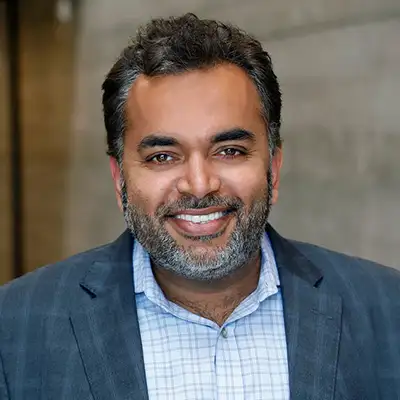
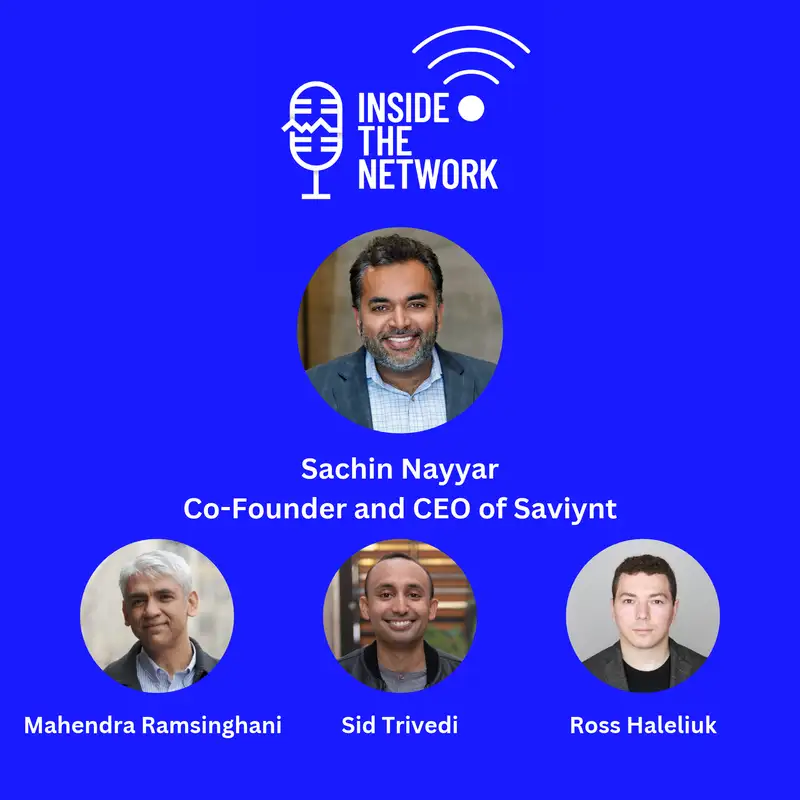
Download MP3Our guest in this episode is Sachin Nayyar, a rare founder who has built not one, but two major cybersecurity companies: Securonix and Saviynt. Even more unusually, for nearly a decade, he was building both at the same time.
After Sachin's first company was acquired by Sun Microsystems, he became a millionaire in his twenties. Instead of experiencing the moment as the triumph most founders imagine, Sachin fell into depression. It became an early lesson in the difference between being in love with entrepreneurship and being in love with solving a problem, and that lesson shaped how he would approach company building, leadership, and his own health for the rest of his career. This also inspired him to found Live Your Best Life (LYBL), a holistic health-tech platform designed to help people understand and overcome chronic health conditions.
Sachin went on to co-found Securonix, helping pioneer User and Entity Behavior Analytics (UEBA) and build the company into a major player in security analytics and SIEM. At the same time, Sachin was also building Saviynt, an identity security company that was bootstrapped for its first seven years and has since grown past $300 million in ARR and reached a valuation of more than $3 billion.
On Inside the Network, Sachin shares what it was actually like to build two cybersecurity companies simultaneously, including commuting between Securonix in Dallas and Saviynt in Southern California. He talks candidly about burnout, why founders shouldn't treat exhaustion as a badge of honor, and the management mistake that slowed both companies down: waiting too long to bring experienced operators into the business.
We also dive into Sachin's unconventional approach to financing companies. Rather than following the traditional Silicon Valley playbook, Saviynt was self-funded for more than seven years, using services to get close to customers and fund product development. Later, Sachin leaned heavily on private credit rather than raising equity when he believed the market was undervaluing the company.
Sachin also explains why he never believed building a successful cybersecurity company required a Silicon Valley ZIP code, how he built major engineering organizations across Southern California, Texas, and India, and why founders should focus more on customers and conviction than on following the industry's standard startup playbook.
Finally, we explore the next chapter of identity security. Sachin shares his thesis that AI creates an opportunity to move identity controls all the way to build time, embedding identity and access management directly into applications and AI agents. He explains why he still thinks of Saviynt as a “startup at scale,” how incumbents can compete with AI-native challengers, and why the explosion of machine identities may force the identity industry to rethink traditional per-user pricing models.